Break Your Shackles and Be Free
Improvement Era, vol. 22, no. 1, November 1918, pp. 65 to 66
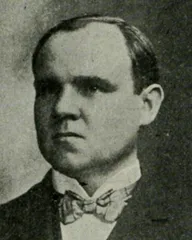
Break your Shackles and be Free By Elder James E. Talmage, of the Council of the Twelve
There are two classes of slaves who make little or no effort to become free: (1) those who were born into serfdom, who know no better state and consequently accept their lot as th" natural and unchangeable order; and (2) those who, though realizing their abject status, are deterred through fear and cow- ardice, or are too lazy to try to better their condition. The first class arouses pity, the second, contempt. Then there are others, to whom servitude is galling, but who bear their chains in silent anguish, because they know not how to rid themselves. Of these some have had slavery thrust upon them while others have sold themselves into thraldom. These generalizations apply to national, community, and individual enslavement, and to political, moral and spiritual bondage. We affirm that freedom and individual agency are man's birthright; and, consequently, that any attempt to subvert or destroy the same is antagonistic to the Divine purpose and law. Right is the result of harmony with the law of God; wrong is the violation thereof and therefore the fruitage of sin. Righteousness leads to freedom, sin to bondage. This truth is embodied in the Master's comprehensive precept: "Whoso-
ever committeth sin is the servant of sin" (John 8:34). The occasion of this profound utterance is memorable. Christ was preaching to the people when a motley crowd of Pharisees and others challenged his words and essayed to dispute the Lord's authority to teach. He denounced wickedness, and pictured its inevitable consequences of suffering and servitude in mortality and beyond. "Then said Jesus to those Jews which believed on him, If ye continue in my word, then are ye my disciples indeed; And ye shall know the truth, and the truth shall make you free." (John 8:31, 32). At these words, so rich in blessing, so full of comfort for the believing soul, the rabble was stirred to angry demonstra- tion. The promise of freedom implied that they were not al- ready free. "We be Abraham's seed," they retorted, "and were never in bondage to any man." In their fanatical fury they had forgotten the Egyptian servitude, and the Babylonian captivity, and were oblivious of their then existing state of vassalage to Rome. Jesus made it clear that he had not referred to freedom in its physical or political sense alone, though to this conception their false disavowal had been directed. The liberty he specif-
66 IMPROVEMENT ERA
ically proclaimed was spiritual liberty; the grievous bondage from which he would emancipate them was the serfdom of sin; albeit their state of national subjugation was the direct and predicted consequence of their transgressions. Verily the truth shall make men free! As men open their hearts to the truth concerning the ex- istence and attributes of a personal God, the veritable Father of spirits; and to the actuality of Christ's status as the Firstborn of those spirits, the Only Begotten Son of God in the flesh, the foreordained Savior and Redeemer of the race, and the Author of the one and only plan of salvation, they are freed from the degrading and benighting servitude of false doctrines, and from the enslavement due to the dogmas of men which proclaim as effective the means devised by human unwisdom. What of the millions now groaning under the tyranny of autocracy because, born and cradled in slavery, they know not the exalting truth of the equal rights of men, and in their pitiable ignorance regard their self -constituted masters as super- men, whose right it is to rule? Much of the slavery of today is due to a combination of ignorance and laziness. Many are content to leave their spiritual salvation in the hands of pastors and priests, unaware of the solemn fact of their own individual responsibilty. We who have proved the virtues of democracy look with sad sympathy upon the serfs of autocrats. But our freedom entails obligation. Mosiah, the last of the Nephite kings and a righeous ruler, king in name but who called and treated the people as his brethren, urged that the monarchy be made to die with him, and that thereafter the nation elect its rulers by "the voice of the people." He fired the masses to action by proclaiming the truth of their ability and right to govern themselevs. Having de- picted the ills of kingly rule, he continued: "Therefore choose you by the voice of this people, judges, that ye may be judged according to the laws which have been given you by our fathers, which are correct, and which were given them by the hand of the Lord. Now it is not common that the voice of the people desireth anything contrary to that which is right; but it is common for the lesser part of the people to desire that which is not right; therefore this shall ye ob- serve, and make it your law to do your business by the voice of the people. And if the time comes that the voice of the people doth choose iniquity, then is the time that the judgments of God will come upon you, yea, then is the time he will visit you with great destruction even as he has hitherto visited this land." (Book of Mormon, Mosiah 29:25-27.) It is pleasing to note that the people heeded this wise coun- sel, elected their own officers, and prospered in liberty.