Editors’ Table: Unchastity the Dominant Evil of the Age
Improvement Era, vol. 20, no. 8, June 1917, pp. 738 to 742
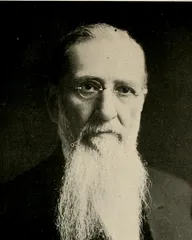
Unchastity the Dominant Evil of the Age By President Joseph F. Smith [Written for and at request of the Newspaper Enterprise Association, San Francisco, Cal.] The character of a community or a nation is the sum of the individual qualities of its component members. To say so is to voice at once an ordinary platitude and an axiom of profound import. The stability of a material structure depends upon the integrity of its several parts and the maintenance of a proper correlation of the units in harmony with the laws of forces. The same may be said of institutions, systems, and organizations in general. Some of the gravest mistakes of men, in administrative af- fairs, in politics, in statesmanship, are the consequence of mis- directed efforts to strengthen the fabric as a whole instead of applying remedial measures to the defective parts, or correcting the discordant relationship. When citizens can be taught to live right lives, the grandeur and perpetuity of the nation will be assured. The voice of the pessimistic agitator is heard in the land to- day. He is loud in denunciation of existing systems and vigor- ous in demand for new laws and governmental reforms. Pro- gressive legislation is undoubtedly necessary, and abuse of power, neglect of duty, or other evils in national or local admin- istration, should be promptly corrected; but the crying need of mankind is individual reformation. The thorough purification and effective regulation of society as a system through repressive legislation is a stupendous and well-nigh hopeless undertaking. The natural and rational plan of improvement must deal largely with the education of the society unit, the individual citizen. Regulatory and prohibitory laws cannot consistently be re- garded as other than necessities in the present state of human affairs, but let us hope that these enactments shall become as dead letters in the advancement of the community through in- dividual improvement. What has come to be known in present day literature as the social evil is a subject of perennial discussion, and the means proposed for dealing with it are topics of contention and debate.
EDITORS' TABLE 739 That the public conscience is aroused to the seriousness of the dire condition due to sexual immorality is a promising indica- tion of prospective betterment. No more loathsome cancer dis- figures the body and soul of society today than the frightful affliction of sexual sin. It vitiates the very fountains of life, and bequeaths its foul effects to the yet unborn as a legacy of death. It lurks in hamlet and city, in the mansion and in the hovel as a ravening beast in wait for prey ; and it skulks through the land in blasphemous defiance of the laws of God and man. The lawful association of the sexes is ordained of God, not only as the sole means of race perpetuation, but for the devel- opment of the higher faculties and nobler traits of human na- ture, which the love-inspired companionship of man and woman alone can insure. The word of Scripture is explicit as to the Divine intent and command with respect to the sexes. It is not good for man to be alone; and therefore hath it been ordained that "a man leave his father and his mother and shall cleave unto his wife; and they shall be one flesh" (Genesis 2:18,24). Of the first parents of the race we read: "And God blessed them, and God said unto them, Be fruitful, and multiply, and replenish the earth" (Genesis 1:28). The precept that marriage is honorable is as true today as when uttered by the Apostle of old (see Hebrews 13:4); and who shall deny that the married state is essential to the attain- ment of even relative perfection in fulfilling the measure and purpose of man's mortal existence? "Neither is the man without the woman, neither the woman without the man, in the Lord" (1 Corinthians 11:11). Not alone is it fundamentally proper and in strict accord with both the spirit and the letter of the Divine Word, but ab- solutely essential to the stability of the social order that the marriage relation shall be defined and regulated by secular law. Parties to the marriage contract must be definitely invested with the responsibilities of the status they assume; and for fidelity to their obligations they are answerable to each other, to society, and to their God. Sexual union is lawful in wedlock, and, if participated in with right intent is honorable and sanctifying. But ivithout the bonds of marriage, sexual indulgence is a debasing sin, abom- inable in the sight of Deity. Infidelity to marriage vows is a fruitful source of divorce, with its long train of attendant evils, not the least of which are the shame and dishonor inflicted on unfortunate though inno- cent children. The dreadful effects of adultery cannot be con- fined to the erring participants. Whether openly known or partly concealed under the cloak of guilty secrecy, the results are potent in evil influence. The immortal spirits that come to
740 IMPROVEMENT ERA earth to tabernacle in bodies of flesh have the right to be well born, through parents who are free from the contamination of sexual vice. It is a deplorable fact that society persists in holding woman to stricter account than man in the matter of sexual offense. What shadow of excuse, not to speak of justification, can be found for this outrageous and cowardly discrimination? Can moral defilement be any the less filthy and pestilential in man than in woman? Is a male leper less to be shunned for fear of contagion than a woman similarly stricken? O the baseness, the injustice, the dishonor of it all! Hap- pily the early promulgators of this shameful conception of a double standard of morals for the sexes are hidden in the ob- livion of the past. Let the infamy in which they should rightly share be borne by those who countenance the current accept- ance of so vicious a distinction. Visualize the spectacle. Man, who is by nature the protector and defender of woman, ready to stone to social death the adulteress, in whose sin he was partner. True, there is nothing distinctively modern in this revolting distortion of propriety and justice. It will be remembered that certain self-righteous Scribes and Pharisees came clamoring to the Christ in the Temple courts, dragging with them a woman, of whom they said, "Master, this woman was taken in adultery, in the very act;" and they asked what punishment should be meted out to her. What of the man in the case? He may have been present, but whether eo or not we have no record that judgment upon him was either asked or implied. However, in- justice is of no less hideous mien because, as we sometimes say in stultifying inconsistency, it is time-honored. So far as woman sins it is inevitable that she shall suffer, for retribution is sure, whether it be immediate or deferred. But in so far as man's injustice inflicts upon her the consequence of his offenses, he stands convicted of multiple guilt. And man is largely responsible for the sins against decency and virtue, the burden of which is too often fastened upon the weaker partici- pant in the crime. The frightful prevalence of prostitution, and the tolerance and even condonation with which the foul traffic is treated by so-called civilized society, are black blots on the pages of current history. It would be manifestly unjust to sweepingly condemn every fallen woman as of emial culpability with the rest of her de- graded class. The published results of investigation by official inquirers and volunteers in this miry field of research indicate that many a woman who offers her body for hire entered into this dreadful commerce when she found herself despoiled and betrayed through undue confidence in man; and while her de- spairing and desperate condition must be considered as an ele-
EDITORS' TABLE 741 ment of cause if not of mitigation, she is nevertheless a criminal under the secular law and a grievous offender against the man- date of the Almighty. In the day of righteous judgment, before the bar of the Great Judge who shall read the mind and inter- pret the heart, every circumstance will be taken into just ac- count, in her case as in that of him or them who have contrib- uted to her degradation. Others there are, as the reports attest, who aver that they live their lives of shame by choice, prefer- ring the comparative ease and the unnatural excitement of their abandoned mode of existence to the exactions of honest in- dustry. Horrifying as the condition is, it is nevertheless a black reality, that hordes of women prostitute their bodies and souls for money, and find no lack of eager buyers. Who is the more depraved — the vendor or the purchaser of woman's honor? In many cases a power of discernment and analysis superior to human attainment is essential to a just verdict, but it appears certain that whatever of palliation through stress of circum- stance may be found for the woman, guilty lust is too gener- ally the primal motive of the man. If the passions of men were kept in natural and wholesome restraint, female virtue would cease to be a purchasable commodity in the unholy marts of society. The low esteem in which strict sexual morality is currently held is an element of positive danger to the nation as a human institution, to say nothing of the wholesale debauching of souls as an offense against Divine decree. With such awful examples as history furnishes, it is a matter of astonishment that govern- ments should be so nearly oblivious to the disintegrating forces springing from violations of the moral law amongst their citi- zenry. For, as already stated, while the education of the indi- vidual is the basal condition of community improvement, reg- ulatory laws will be necessary as long as crime flourishes. The grandeur of ancient Greece, the majesty of Rome, once the proud rulers of the world, have disappeared; and the verdict of history specifies the prevalence of sexual immorality as among the chief of the destructive agencies by which the fall of those mighty peoples was effected. The literature of the re- ligious body I represent records an instance of even more strik- ing import, for it comprises the physical destruction and com- plete extinction of a once powerful nation, and the utter debase- ment of another. According to Book of Mormon history the American continent was once inhabited by two peoples known respectivelv as Nephites and Lamanites. The former were pro- gressive throughout a great part of their career; they built cities and cultivated the arts of civilization; and as long as they lived in righteousness thev prospered. The Lamanites were of no-
742 IMPROVEMENT ERA madic habits, and, except for brief intervals of comparative peace, were in a state of aggressive enmity against their Nephite contemporaries. The most blessed period of ancient American history was that of the first two centuries of the Christian era, during which the people lived in purity and virtue. Of that time we read: "And it came to pass that there was no conten- tion in the land, because of the love of God which did dwell in the hearts of the people. And there were no envyings, nor strifes, nor tumults, nor whoredoms, nor lyings, nor murders, nor any manner of lasciviousness; and surely there could not be a happier people among all the people who had been created by the hand of God" (4 Nephi 15, 16). But this virtuous and happy state was followed by an era of abominable excesses; and prominent among the sins that led to the death of the nation was that of sexual impurity and general lasciviousness. As the prophets had predicted, the Nephites degenerated, and by Divine sufferance their enemies destroyed them as a nation. And the Lamanites, though victors in the struggle, have fallen to the present degraded status of the Amer- ican Indian. Archaeologists tell us that the human bones taken from Indian mounds of this country bear unmistakable testi- mony to the prevalence of syphylitic and allied diseases among the ancient Americans. Is our modern nation to bring upon itself the doom of de- structive depravity? The forces of disintegration are at work throughout the land, and they operate as insidiously as does the virus of deadly contagion. A nation-wide awakening to the need of personal sanitation and of rigorous reform in the matter of ^ ual morality is demanded by the exigencies of the times. As in combating physical maladies, so in the treatment of moral contagion, the individual should be rendered immune, so far as possible, by instruction in hygienic living, and by inoculation witli the spirit of righteousness; and, coincidently, every possi- ble effort is required to check the spread of the plague by com- munity sanitation. The current and common custom of inde- cency in dress, the flood of immoral fiction in printed literature, in the drama, and notably in moving picture exhibitions, the tol- eration of immodesty in everyday conversation and demeanor, are doing deadlv work in the fostering of soul-destroying vice. Like many bodily diseases, sexual crime drags with itself a train of other ills. As the physical effects of drunkenness entail the deterioration of tissue, and disturbance of vital functions, and so render the body receptive to any distemper to which it mav be exposed, and at the same time lower the powers of re- sistance even to fatal deficiency, so does unchastity expose the soul to divers spiritual maladies, and rob it of both resistance and recuperative ability. The adulterous generation of Christ's