Editor’s Table: The Message of the Latter-day Saints on Relief for the Poor
Improvement Era, vol. 10, no. 10, August 1907, pp. 831 to 833
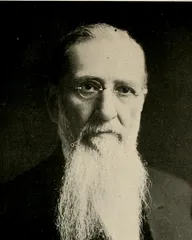
EDITOR'S TABLE. THE MESSAGE OF THE LATTER-DAY SAINTS ON RELIEF FOR THE POOR. The position of the Latter-day Saints in regard to the poor is perhaps well understood by most readers of the Era. But there are some points which are not quite clear to a number of our friends. God has commanded this people to remember the poor, and to give means for their support. No other community, perhaps, has proved more willing than the Latter-day Saints to obey this command. They have demonstrated this in the past, and have been very willing to impart of their properties to aid the poor and unfortunate, not only in their own midst, but also those who live in other nations and other places in our own country. No call for help has ever been heard in vain by them. And thi| is true, not- withstanding the fact that they have often suffered from unjust oppression and great poverty, in which they have received little if any sympathy, and no help. They have always taken care of themselves, and besides have helped others. A leading mission of the Church is to teach the gospel of Christ in the world. It has an important message to deliver.which not only includes the spiritual salvation of men, but also their temporal welfare. It not only teaches that faith is necessary, but also that works are required. Belief in Jesus is well and good, but it must be of a living kind which induces the believer to work out his own salvation, and to aid others to do the same. We do not believe in charity as a business; but rather we depend on mu- tual helpfulness. While the gospel message requires faith and
. 832 IMPRO VEMENT ERA repentance, it requires, also, that temporal necessities must be met. So the Lord has revealed plans for the temporal salvation of the people. For the benefit of the poor we have the fast insti- tuted, a leading object of which, among other things, is to pro- vide the poor with food and other necessities, until they may help themselves. For it is clear that plans which contemplate only re- lieving present distress are deficient. The Church has always sought to place its members in a way to help themselves, rather than adopting the method of so many charitable institutions of pro- viding for only present needs. When the help is withdrawn or used up, more must be provided from the same sources, thus making paupers of the poor, and teaching them the incorrect prin- ciple of relying upon others' help, instead of depending upon their own exertions. This plan has made the Latter-day Saints inde- pendent wherever they have settled. It has prevented a constant recurring of calls for help, and established permanent conditions by which the people help themselves. Our idea of charity, there- fore, is to relieve present wants and then to put the poor in a way to help themselves, so that in turn they may help others. The funds are committed for distribution to wise men, generally to bishops of the Church, whose duty it is to look after the poor. We submit the equitable fast- day plan of the Lord to the churches of the world as a wise and systematic way of providing for the poor. I say equitable, because it gives an opportunity for the contribution of much or little, according to the position and standing of those who contribute; and besides, it helps both the giver and the receiver. If the churches would adopt a universal monthly fast-day, as observed by the Latter-day Saints, and devote the means saved during the day to the alleviation, blessing and benefit of the poor, and with a view to helping them to help them- selves, there would soon be no poor in the land. It would be a simple matter for people to comply with this re- quirement, —to abstain from food and drink one day each month, and to dedicate what would be consumed during that day to the poor, and as much more as they pleased. The Lord has instituted this law; it is simple and perfect, based on reason and intell- igence, and would not only prove a solution to the question of providing for the poor, but it would result in good to those who
EDITORS TABLE. 833 observe the law. It would call attention to the sin of over- eating, place the bodv in subjection to the spirit, and so promote com- munion with the Holy Ghost, and insure a spiritual strength and power which the people of the nation so greatly need. As fasting should always be accompanied by prayer, this law would bring the people nearer to God, and divert their minds, once a month at least,from the mad rush of worldly affairs, and cause them to be brought into immediate contact with practical, pure, and un- defined religion— to visit the fatherless and the widow, and keep themselves unspotted from the sins of the world. For religion is not in believing the commandments only, it is in doing them. I would to God that men would not only believe Jesus Christ and his teachings, but would broaden their belief to the extent of doing the things that are taught by him, and doing them in spirit. He certainly taught fasting, paryer and helpfulness. No better start can be made than by fasting, praying to God, and sacrificing means for the poor. This law combines belief and practice, faith and works, without which neither Armenian nor Latter-day Saint, neither Jew nor Gentile, can be saved. When appeals are made to the Latter-day Saints for aid, they are always willing to comply; but we have also our mission to per- form: to preach the gospel, to establish peace, secure plenty, and promote happiness in the land; and our people have learned, through the commandments of God, how to take care of them- selves, and are trying to help others to do likewise. They are ever helping each other, and it is seldom that poor are found among them who are unprovided for. They are practically inde- pendent, and may become entirely so by a stricter adherence to the law of the Lord! We believe that if other communities would adopt the plans of consecration, fasting, and tithing uhich the Lord has revealed to the Latter-day Saints, and carry them out in spirit, with faith and works, that poverty and pauperism would be greatly reduced or entirely overcome. Opportunities would be presented so that all might obtain work, and thus provide for themselves; and the other command of the Lord would be obeyed: ' 'Thou shalt not be idle: for he that is idle shall not eat the bnad nor wear the garments of the laborer." Joseph F. Smith.