The Probability of Joseph Smith’s Story. II
Improvement Era, vol. 7, no. 6, April 1904, pp. 417 to 431
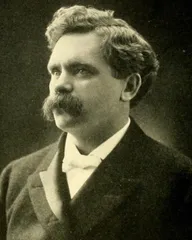
THE
PROBABILITY
OF
JOSEPH
SMITH'S
STORY.
BY
ELDER
B.
H.
ROBERTS.
II.
As
for
the
media
of
revelation
used
by
the
ancient
prophets
in
Israel,
and
by
Joseph
Smith
in
modern
times
—
Urim
and
Thummim
and
also
the
"Seer
Stone"
—
I
say
again
that
our
scientific
skeptics
in
such
things
live
in
the
midst
of
such
achievements
of
man's
ingenuity,
and
in
the
daily
use
of
such
marvelous
instruments
invented
by
men
for
the
ascertainment
of
truth,
that
men
of
science
ought
not
to
stumble
at
accepting,
at
least
as
possible,
and
even
as
probable,
the
existence
of
such
media.
Take
for
instance
the
telescope.
For
ages,
men
believed
that
the
whole
of
the
universe
consisted
of
sun,
moon,
earth,
and
the
few
fixed
stars
within
the
radius
of
man's
un-
aided vision.
Finally,
however,
a
genius
converted
a
handfull
of
sand
into
a
lens,
adjusted
it
in
a
tube,
and
turned
it
to
the
heavens
when,
lo
!
the
frontiers
of
the
universe
were
pushed
back
to
an
infinite
dis-
tance, and
millions
of
suns
heretofore
never
seen
by
human
eyes
were
brought
within
the
range
of
man's
vision
and
consciousness.
This
first
telescope
has
been
improved
upon
from
time
to
time,
until
now
we
have
instruments
of
that
kind
so
large'
and
so
per-
fect that
our
own
planets
are
brought
comparatively
near
for
our
inspection,
while
the
number
of
fixed
stars
now
within
the
range
of
our
vision,
by
means
of
these
instruments,
is
quite
generally
con-
ceded to
be
about
forty
millions.
While
viewing
the
starry
heavens
by
the
aid
of
the
telescope,
in
search
of
new
facts,
astronomers
beheld
at
enormous
distances
from
us
hazy
patches
of
light,
concerning
the
nature
of
which
they
could
form
no
definite
idea.
An
improved
telescope,
however,
at
418 IMPROVEMENT ERA. last resolved some of these mists into groups o± separate stars; then it was supposed that all such mists were star groups, and that it only required larger and stronger telescopes to demonstrate the truth of that theory. Meantime, however, another wonderful instrument was invented, the spectroscope, an optical instrument which forms and analyzes the spectra of the rays emitted by bodies or substances. Meantime Fraunhofer made the discovery that the spectrum of an ignited gaseous body is non-continuous, and has interrupting lines. Later, Professor John William Draper discovered that the spectrum of an ignited solid is continuous with no interrupting lines. With these facts established, the spectro- scope was turned upon the distant patches of nebulas and it was discovered that some of them were positively of a gaseous nature and not congeries of stars. Thus was another great truth concern- ing the universe discovered by means of an instrument invented by man. Nor is the end yet. The eye of man, perhaps, is the most wonderful organ known; wonderful in its powers when unaided by instruments of man's invention, but rendered infinitely more power- ful and wonderful when aided by telescope and microscope. Indeed, by these instruments new and unthought of worlds are brought to the consciousness of man and his knowledge infinitely extended. Yet wonderful as is this organ of man, and great as are its achieve- ments when aided by the instruments of man's invention, man's in- genuity has produced a more powerful eye than man's! One that can look longer and see farther than the human eye, even when aided by the most powerful telescope; and registers upon its ret- ina truths otherwise unattainable by man. This instrument Camille Flammarion, the French astronomer and writer, calls "The wonder- ful new Eye of Science." It is merely a lens connected with a photographic apparatus, and of it the Frenchman just named says : This giant eye is endowed with four considerable advantages over ours; it sees more quickly, farther, longer, and, wonderful faculty, it re- ceives and retains the impress of what it sees. It sees more quickly: in the half-thousandth of a second, it photographs the sun, its spots, its vortexes, its fires, its flaming mountains, and on an imperishable docu- ment. It sees farther: Directed towards any point of the heavens on the darkest night, it discerns stars in the depths of infinite space — worlds,
THE
PROBABILITY
OF
JOSEPH
SMITH'S
STORY.
419
universes,
creations,
that
our
eye
could
never
see
by
the
aid
of
any
tele-
scope. It
sees
longer:
That
which
we
cannot
succeed
in
seeing
in
a
few
seconds
of
observation
we
shall
never
see.
The
photographic
eye
has
but
to
look
long
enough
in
order
to
see;
at
the
end
of
half
an
hour
it
distinguishes
what
was
before
invisible
to
it;
at
the
end
of
an
hour
it
will
see
better
still,
and
the
longer
it
remains
directed
towards
the
un-
known object,
the
better
and
more
distinctly
it
will
see
it
—
and
this
without
fatigue.
And
it
retains
on
the
retinal
plate
all
that
it
has
seen.*
This
photographic
eye,
used
in
what
is
called
the
kinetograph,
photographs
the
spokes
of
the
sulky
driven
at
full
speed,
—
which
cannot
be
discerned
at
all
by
the
human
eye
—
as
if
standing
still.
The
bullet
discharged
from
the
most
powerful
gun
of
modern
inven-
tion, which
the
human
eye
cannot
follow
in
its
flight,
this
instrument
seems
to
arrest
in
mid-air.
The
ripple
waves
on
the
surface
of
mur-
cury,
which
no
human
eye
has
ever
seen
—
even
when
assisted
by
the
most
powerful
microscopes—
it
faithfully
registers,
and
by
its
testimony
alone
we
know
of
their
existence.
This
instrument
reg-
ister's on
sensitized
tin
foil,
birds
in
their
flight,
express
trains
at
full
speed,
moving
throngs
on
crowded
streets,
athletes
at
their
sports,
the
restless
waves
of
ocean,
the
tempest's
progress,
the
lightning's
flash
—
all
of
which
by
means
of
another
instrument
called
the
kinetoscope
are
reproduced
to
the
life,
though
the
act-
ors in
the
scenes
represented
be
dead,
and
rotting
in
their
graves.
As
these
named
instruments
photograph
and
reproduce
actions,
so
the
phonograph
registers
the
intonations,
inflections,
and
all
the
peculiarities
of
voice
entrusted
to
it,
and
as
faithfully
reproduces
them,
once,
twice,
or
a
thousand
times,
so
that
friends
may
rec-
ognize the
intonations
and
all
the
peculiarities
of
inflection
and
voice,
though
he
who
thus
speaks
has
long
since
been
dead
or
re-
moved to
other
lands.
What
more
shall
I
say?
Is
not
enough
here
presented
concerning
the
instruments
of
man's
invention
to
justify
the
probability
of
the
existence
of
media
that
can
accom-
plish all
that
is
ascribed
to
Urim
and
Thummim
and
Seer
Stone
by
Joseph
Smith?
Will
the
reader
say
no,
because
to
Urim
and
Thum-
min
or
Seer
Stone
there
seems
to
have
been
ascribed
by
some
almost
intellectual
qualities
—
the
power
to
take
the
characters
of
The
Cosmopolitan
Magazine
for
September,
1896.
420 IMPROVEMENT ERA. an unknown language and present the interpretation of them in intelligible English; while to all these other instruments, to which reference is made, there seems to be ascribed only a mechanical quality — the power merely to extend the vision of the human eye — to magnify to human vision the smaller objects in nature — to register movements too rapid or too minute for the unaided human eye to see — to conduct sounds to greater distance — to send out into space and receive vibrations that convey intelligence ? But may not this objection, if such it can be considered, rest upon false premises? Those who advance it ascribe to Urim and Thummim and the Seer Stone qualities not claimed for it by Joseph Smith. I have already called attention to the fact* that the in- struments used by the Prophet Joseph in translation were not everything and the Prophet nothing: that the primary factor in the work of translation was the mind of the Prophet enlightened by the Spirit of God; that the instruments he used were merely aids in the work not the primary factors. In Urim and Thummim or Seer Stone appeared, according to the testimony of Martin Harris and David Whitmer, the Nephite characters, and underneath them an interpretation in English; but it was the inspired mind of the Prophet, not any quality in Urim and Thummim or Seer Stone, that wrought out the translation. The translation was thought out in the mind of the Prophet, and confirmed by the Holy Spirit ;f which, in the work of translation, as in all things else of a divine nature, is God's witness for the truth. The Urim and Thummim and Seer Stone possessed the quality of reflecting the Nephite characters, and for the time reflecting also the translation of them wrought out in the inspired mind of the Prophet, and held them before his vision until faithfully recorded; and when this fragment of translation was dismissed from the mind of the Prophet, it dis- appeared also from Urim and Thummim. * See M. I. A. Manual for 1903-4, chapter vii. fSee Doc. and Cov., sections viii, ix. Also chapter vii of Manual 1903-4. I do not think I can too strongly urge upon the reader's attention the statements in the revelations of God found in sections viii and ix of the Doctrine and Covenants, for there we have God's description of how the gift of translation is to be exercised, and His word upon the subject is to be taken, before any human words spoken or any human theory advanced.
THE
PROBABILITY
OF
JOSEPH
SMITH'S
STORY.
421
If
it
should
still
be
objected
that
even
this
view
of
Urim
and
Thummim
and
Seer
Stone
leaves
those
instruments
many
more
times
wonderful
than
any
instrument
of
man's
invention,
it
should
be
re-
membered that
they
were
instruments
prepared
or
selected
by
di-
vine intelligence,
and
as
that
intelligence
far
exceeds
the
intelli-
gence of
man,
so
may
it
be
expected
that
the
instruments
of
his
devising
or
selection
will
excel,
in
quality
and
power,
anything
which
man
could
invent.
Meantime
those
instruments
which
man
has
contrived
to
aid
him
in
his
search
and
ascertainment
of
truth,
make
belief
possible
in
the
existence
and
use
of
the
more
wonder-
ful instruments
of
God's
devising.
The
question
is
often
asked
—
and
it
bears
upon
the
probabil-
ity of
Joseph
Smith's
statements
respecting
the
Book
of
Mormon,
because
the
answer
that
has
to
be
made
gives
rise
to
doubts,
and
sometimes
to
sneers
on
the
part
of
those
receiving
it
—
the
ques-
tion is
asked,
I
repeat,
"What
became
of
the
gold
plates
from
which
Joseph
Smith
claims
to
have
translated
the
Book
of
Mor-
mon, can
they
be
seen
now?
Is
the
Church
in
possession
of
them?"
The
answer
is,
"No;
the
Prophet
returned
them
to
the
angel
Moroni,
and
he,
doubtless,
now
has
possession
of
them,
and
is
their
guardian."*
As
remarked,
this
answer
is
declared
to
be
unsatis-
factory, and
is
often
ridiculed;
for
worldly
wisdom
fancies
that
the
Prophet
had
a
most
direct
means
of
establishing
the
truth
as
to
the
existence
and
character
of
the
plates,
if
only
he
had
retained
them
in
his
possession,
or
deposited
them
in
some
state
or
national
*
I
soon
found
out
the
reason
why
I
had
received
such
strict
charges
to
keep
them
safe,
and
why
it
was
that
the
messenger
had
said
that
when
I
had
done
what
was
required
at
my
hand,
he
would
call
for
them.
For
no
sooner
was
it
known
that
I
had
them,
than
the
most
strenuous
exertions
were
used
to
get
them
from
me.
Every
stratagem
that
could
be
invented
was
resorted
to
for
that
purpose.
The
persecution
became
more
bitter
and
severe
than
before,
and
multitudes
were
on
the
alert
continually
to
get
them
from
me
if
possible.
But
by
the
wisdom
of
God,
they
remained
safe
in
my
hands,
until
I
had
accomplished
by
them
what
was
required
at
my
hand.
When,
according
to
arrangements,
the
mes-
senger called
for
them,
I
delivered
them
up
to
him;
and
he
has
them
in
his
charge
until
this
da7,
being
the
second
day
of
May,
one
thousand
eight
hundred
and
thirty-eight
(Church
History,
vol.
I.,
pp.
18,
19).
422 IMPROVEMENT ERA. institution of learning or archaeology. Joseph Smith acted under the direction of Moroni in the matter of the plates of the Book of Mormon; why he was not permitted to keep the book of plates is not, perhaps, positively known. Part of the record was sealed, as the Prophet himself informs us ;* and as the time had not come for that part of it to be translated, it may be that that was one rea- son why it should be still kept in the custody of the angel. More- over, in this life we are required by divine wisdom to walk by faith, not by sight. It is part of our education that we learn to act with reference to sacred things on probabilities. A vail of oblivion is stretched over our past spirit-existence. The future is hidden largely from our view, and we are required to perform this life's journey from the cradle to the grave in the midst of uncertainties, except as we increase our faith and establish assurance by the de- velopment of spiritual strength from within. Why this should be so may not always seem clear to us; but of the fact of it there is no doubt. Nor can there be any doubt as to the wisdom of it, and the benefit of it to mankind, since our Father-God, has so ordained it. Nor is it in "Mormonism" alone that certain direct material evidences are denied to men concerning divine things. Infidels re- fer to the opportunities which they think the impudent challeng- ers of the persecutors of the Son of God afforded Him to demon- strate his divine power, and prove the truth of his mission, when they said, "If thou be the son of God, come down from the cross. * * * "If he be the King of Israel, let him now come down from the cross, and we will believe him."f What an opportunity was afforded him here to respond to their challenges and cover them * These records were engraven on plates which had the appearance of gold, each plate was six inches wide and eight inches long, and not quite so thick as common tin. They were filled with engravings, in Egyptian characters, and bound together in a volume as the leaves of a book, with three rings running through the whole. The volume was something near six inches in thickness, a part of which was sealed. The characters of the unsealed part were small, and beautifully engraved. The whole book exhibited many marks of antiquity in its construction, and much skill in the art of engraving. (Mill. Star, vol. xix, p. 118.) f Matt, xxvii : 40, 42.
THE
PROBABILITY
OF
JOSEPH
SMITH'S
STORY.
423
with
confusion
and
fear.
But
the
Son
of
God
heeded
them
not,
and
infidels
everywhere
run
away
with
the
opinion
that
he
missed
the
opportunity
of
his
career
if,
indeed,
he
was
the
Son
of
God
—
the
Lord
of
Life
—
the
Master
of
Death.
Moses
gave
out
the
statement
that
the
Law
of
Israel,
the
Ten
Commandments,
were
written
by
the
finger
of
God
on
tables
of
stone.*
These,
in
his
anger,
Moses
broke
to
pieces
in
their
presence,
when
he
found
that
during
his
brief
absence
in
the
Mount,
obtaining
the
law,
Israel
had
turned
to
the
folly
of
idolatry.
But
a
second
set
of
tables
was
prepared,
and
again
on
these
God
carved
with
his
own
hands
the
Ten
Commandments.
Moses
placed
them
in
the
ark
of
shittim
wood,
which
by
divine
appointment
he
provided,
and
this
constituted
the
"Ark
of
the
Covenant."f
Again,
when
the
children
of
Israel
were
disposed
to
rebel
against
the
priesthood
of
God's
appointment,
under
divine
direction,
Moses
called
upon
each
of
the
twelve
princes
of
the
house
of
Israel
to
present
before
the
Lord
a
rod
with
the
name
of
his
tribe
upon
it.
Among
these
was
Aaron's
rod,
representing
the
tribe
of
Levi.
All
were
placed
in
the
"Tabernacle
of
Witness"
before
the
Lord.
On
the
morrow
when
Moses
went
into
the
"Tabernacle
of
Witness"
—
"Behold
the
rod
of
Aaron,
of
the
house
of
Levi,
was
budded,
brought
forth
buds,
and
yielded
almonds"
:
and
all
this
in
a
single
night
!
Thus
the
Lord
gave
a
palpable
evidence
to
Israel
of
his
choosing
the
house
of
Aaron
and
the
tribe
of
Levi
to
stand
before
him
in
the
priest's
office;
and
the
Lord
said
unto
Moses,
"Bring
Aaron's
rod
again
before
the
testimon}'',
to
be
kept
for
a
token
against
the
rebels.''^
The
unbelieving
world
to
whom
Israel's
message
was
after-
wards sent,
might
demand
that
the
tables
of
stone
and
Aaron's
rod
that
budded
should
be
displayed
for
their
inspection
that
faith
might
take
hold
of
the
unbelieving;
but
there
is
no
record
that
these
sacred
things
were
ever
exhibited
for
such
a
purpose.
The
infidels
of
our
own
day
frequently
remark
that
the
prayer
of
Dives
to
Abraham
ought
to
have
been
graciously
granted,
and
*
Deut.
ix:
8-11.
f
Deut.
x:
1-5.
J
Numbers
xvii.
424
1MPR0
VEMENT
ERA
.
Lazarus
sent
to
bear
witness
to
the
relatives
of
the
tortured
nobleman
that
they
might
escape
his
sad
fate;
but
Abraham's
answer
was,
"They
have
Moses
and
the
prophets;
let
them
hear
them!"
"Nay,
father
Abraham,"
answered
Dives,
"but
if
one
went
unto
them
from
the
dead,
they
will
repent."
But
Abraham
said:
"If
they
hear
not
Moses
and
the
prophets,
neither
will
they
be
persuaded
though
one
rose
from
the
dead."*
Referring
again
to
the
Savior:
unbelievers
marvel
that
Jesus
confined
his
visitations
after
his
resurrection
to
a
few
of
his
faithful
followers
only
—
to
those
who
already
believed
on
him.
Why
did
he
not
appear
in
all
the
majesty
of
his
immortal
life,
after
his
resurrec-
tion, before
the
high
priests
and
the
Sanhedrin
of
the
Jews?
Before
the
court
of
Pilate?
Before
the
rabble
who
had
impeously
clamored
in
the
streets
for
his
blood
to
be
upon
them
and
upon
their
children.
Why?
The
only
answer
to
this
question
exists
in
the
fact
apparent
from
the
whole
course
of
God's
dealings
with
the
world
in
relation
to
sacred
things;
viz.,
God
has
chosen
certain
witnesses
for
himself
in
relation
to
sacred
matters,
and
demands
that
his
children
shall
walk
in
faith
on
the
words
which
his
chosen
servants
declare
unto
them.
Thus
Peter,
on
the
matter
of
Christ
showing
himself
to
the
world,
says:
Him
God
raised
up
the
third
day,
and
showed
him
openly;
not
to
all
the
people,
but
unto
witnesses.?
chosen
before
of
God,
even
to
us
who
did
.eat
and
drink
with
him
after
he
rose
from
the
dead.
And
he
commanded
us
to
preach,
and
to
testify
that
it
is
he
which
was
ordained
of
God
to
be
the
judge
of
the
quick
and
dead.|
Judas
(one
of
the
twelve,
not
Iscariot,
but
the
brother
of
James)
on
one
occasion
asked
the
same
question
that
infidels
have
been
asking
for
many
generations,
"How
is
it
that
thou
wilt
manifest
thyself
unto
us,
and
not
unto
the
world?"
Jesus
an-
swered and
said
unto
him,
"If
a
man
love
me,
he
will
keep
my
words;
and
my
Father
will
love
him,
and
we
will
come
unto
him,
and
make
our
abode
with
him.
He
that
loveth
me
not
keepeth
not
my
sayings:
and
the
word
which
ye
hear
is
not
mine,
but
the
Father's
which
sent
me.
These
things
have
I
spoken
unto
you,
*Lukexvi:
13,31.
fActsx:
40-42.
THE
PROBABILITY
OF
JOSEPH
SMITH?
S
STORY.
425
being
yet
present
with
you.
But
the
Comforter,
which
is
the
Holy
Ghost,
whom
the
Father
will
send
in
my
name,
he
shall
teach
you
all
things,
and
bring
all
things
to
your
remembrance,
whatso-
ever I
have
said
unto
you."
*
Such
is
the
Christ's
answer
to
the
question
of
his
disciple,
and
in
it
one
sees
that
God
has
ordained
that
in
addition
to
the
special
witnesses,
the
prophets,
whom
he
ordains
to
testify
of
his
truth,
that
the
Holy
Spirit
shall
be
his
supreme
and
universal
witness
for
things
divine.
"If
a
man
love
me
he
will
keep
my
words:
*
*
*
These
things
have
I
spoken
unto
you
being
yet
with
you.
But
the
Comforter,
which
is
the
Holy
Ghost,
whom
the
Father
will
send
in
my
name,
he
shall
teach
you
all
things.f
*
*
*
When
the
Comforter
is
come
whom
I
will
send
unto
you
from
the
Father,
even
the
Spirit
of
Truth,
which
proceedeth
from
the
Father,
he
shall
testify
of
me,
and
ye
also
shall
bear
witness
because
ye
have
been
with
me
from
the
beginning.''^
*
*
*
"I
give
you
to
understand
that
no
man
speaking
by
the
Spirit
of
God
calleth
Jesus
accursed;
and
that
no
man
can
say
that
Jesus
is
the
Lord,
but
by
the
Holy
Ghost."
§
God,
in
his
wisdom,
and
for
the
accomplishment
of
his
own
wise
purposes
with
reference
to
us,
has
ordained
that
his
children
in
this
world's
probation
shall
walk
by
faith,
not
by
sight.
To
pro-
duce that
faith,
he
sends
forth
special
chosen
servants,
prophets,
apostles,
his
own
Son,
and
through
them
makes
known
the
divine
will.
Then
when
drawn
to
God
by
this
faith,
when
made
love
inspired
towards
God,
he
gives
the
witness
of
the
Holy
Spirit,
by
and
through
which
man
may
know
the
truth,
for
he
becomes
pos-
sessed of
the
very
spirit
of
divine
intelligence
and
of
truth,
by
which
power
he
is
made
to
know
all
that
is
true.
These
principles
obtain
in
this
last
dispensation
of
the
gospel,
at
the
head
of
which
stands
Joseph
Smith
as
prophet
and
presi-
dent. He
comes
as
did
Noah,
Enoch,
Moses,
the
prophets,
Christ
and
the
apostles
—
he
comes
with
a
message
from
God,
—
with
a
new
volume
of
scripture,
whose
express
purpose
is
to
enlarge
the
*
John
xiv:
22-26.
t
John
xiv:
26.
t
John
xv:
26,
27.
§
I
Cor.
xii:
3.
426 IMPROVEMENT ERA. foundations of faith. He and his associates bear witness of its truth, and those who will give heed to that testimony, and will seek to God for further knowledge, are expressly promised in the Book of Mormon itself, that they shall receive a manifestation of its truth by the power of the Holy Ghost; "And by the power of the Holy Ghost," says this Nephite record, "ye may know the truth of all things."* Throughout, it will be seen that in this matter of the Book of Mormon the divine Power is acting in harmony with those great principles which have been operating in the spiritual economy of this world from the beginning; which fact, in reality, is at least an incidental testimony of the truth of the work. In the light of all these reflections, then, together with the fact that part of the Book of Mormon was sealed, the time not then having arrived for its translation, there is nothing remark- able in the circumstance of the Nephite plates being returned to the care of the angel guardian of them. Certainly there is nothing unreasonable in such a procedure, and surely nothing in the circumstance that warrants the ridicule with which that statement has sometimes been received. Moreover, human guard- ianship of such things is by no means as secure as some may conceive it to be. Take for example the fate which befell the Egyptian papyrus from which the Prophet translated the Book of Abraham. It is an item of Church history that in 1835 the Saints in Kirtland purchased, of one Michael H. Chandler, some Egyptian mummies, in the sarcophagus of which was found certain rolls of papyrus, beautifully engraved with Egyptian characters. * Behold I would exhort you that when ye shall read these things, if it be wisdom in God that ye should read them, that ye would re- member how merciful the Lord hath been unto the children of men, from the creation of Adam, even down until the time that ye shall receive these things, and ponder it in your hearts. And when ye shall receive these things, I would exhort you that ye would ask God, the eternal Father, in the name of Christ, if these things are not true; and if ye shall ask with a sincere heart, with real intent, having faith in Christ, he will manifest the truth of it unto you, by the power of the Holy Ghost; and by the power of the Holy Ghost ye may know the truth of all things (Moroni x: 3-5).
THE
PROBABILITY
OF
JOSEPH
SMITH'S
STORY.
427
Upon
examination,
Joseph
Smith
found
the
papyrus
to
be
the
writings
of
Abraham
and
of
Joseph,
the
son
of
Jacob,
who
was
sold
into
Egypt.
Portions
of
these
records
the
Prophet
trans-
lated into
the
English
language,
and
the
translation
was
published
in
the
Times
and
Seasons,
volume
III,
and
subsequently
made
part
of
the
"Pearl
of
Great
Price."
After
the
death
of
the
Prophet,
the
mummies
together
with
the
records
on
papyrus
were
left
in
charge
of
his
mother,
Lucy
Smith.
She
afterwards
parted
with
them,
under
what
circumstances
is
not
positively
known.
Finally,
the
records
and
mummies
found
their
way
into
Wood's
Museum,
in
Chicago,
where,
according
to
the
statement
of
the
editors
of
the
Piano
edition
of
"Biographical
Sketches
of
Joseph
Smith
and
his
Progenitors,"
by
Lucy
Smith,
they
were
destroyed
in
the
Chicago
fire
of
1871.*
Thus
the
writings
of
Abraham,
after
being
pre-
served for
many
generations
in
the
linen
wrappings
of
Egyptian
mummies,
were
consumed
by
fire
in
a
modern
city,
a
circumstance
which
illustrates
the
uncertainty
of
human
means
to
preserve
important
documents,
and
justifies
angel
guardianship
of
a
recsrd
as
sacred
as
are
the
plates
from
which
the
Book
of
Mormon
was
translated.
Another
incident
connected
with
the
probability
of
Joseph
Smith's
story
concerning
the
Book
of
Mormon,
and
which,
like
the
circumstance
of
the
Prophet
returning
the
plates
to
the
angel,
meets
with
ridicule,
—
is
the
loss
of
the
116
pages
of
manuscript,
through
the
unfaithfulness
of
Martin
Harris.
This
subject
is
spoken
of
at
length
in
chapter
five,
of
M.
I.
A.
Manual
for
1903-4,
a
brief
summary
of
its
main
points,
however,
is
given
here:
After
acting
for
some
time
as
amanuensis
to
the
Prophet
Joseph,
in
the
work
of
translation,
Harris
repeatedly
importuned
him
for
permission
to
show
as
much
of
the
work
as
they
had
translated
to
a
number
of
his
relatives
and
friends.
The
Prophet
believing
this
request
beyond
his
right
to
grant,
under
the
strict
instructions
he
had
received
from
the
angel,
presented
the
request
of
Harris
to
the
Lord,
with
the
result
that
it
was
denied.
Harris
still
importuned,
and
again
the
Prophet
asked
permission
to
grant
*
See
Piano
edition
of
the
above
named
work,
1880,
note
on
page
91.
428 IMPROVEMENT ERA. this request, notwithstanding the will of the Lord was known ; and the second time the request was denied. Finally, however, after further importuning, under strict instructions and limita- tions, permission was granted for Harris to take possession of the manuscript, and read it to those whom he had named — Preserved Harris, his own wife, his father and mother, and a Mrs. Cobb, his wife's sister. Harris repaired to Palmyra, where he read the manuscript to members of his own family, and others not included among those to whom he was permitted under his agreement with the Prophet to read it.* The manuscript was finally stolen from him, and for a time— and even now — what fate overtook it, is uncertain. This incident, as we have already stated at length, f lost to Joseph Smith, for a time, the gift of translation, and also pos- session of the plates and Urim and Thummim; but through sincere repentance, he was received again into the favor of the Lord. On being permitted to resume the work of translation, however, the Prophet was informed through divine communica- tion that those who had stolen the manuscript from Harris, de- signed to hold it until he should translate again that part which had fallen into their hands. If the Prophet's second translation should be like the first, then it was the intention of the conspir- ators to change the manuscript in their possession, and claim that the translation was not obtained by divine aid, else the second would be like the first; but since it would by this trick be proved to be different, the claim of divine inspiration in the trans- lation of the book must fall to the ground, and Joseph Smith's pretension to being a Seer and Prophet of God would fall with it; and thus the work God designed to accomplish through him would be destroyed. The Lord revealed this plot to Joseph Smith, and warned him not to translate again Moroni's abridgment of the Book of Lehi — which comprised so much of the manuscript as had been entrusted to Harr-is.J On the contrary, he was commanded to * History of the Church, vol. I, p. 21. t See Manual 1903-4, chapter v. J See preface to first edition of the Book of Mormon.
THE
PROBABILITY
OF
JOSEPH
SMITHS
STORY.
429
translate
what
are
called
in
the
Book
of
Mormon
the
"Smaller
Plates
of
Nephi,"
and
let
that
stand
in
the
place
of
the
translation
of
the
Book
of
Lehi
which
Harris
had
lost.
A
word
of
explanation
here:
Two
sets
of
plates
were
kept
by
the
first
Nephi
and
his
successors.
One
set
might
be
called
the
secular,
the
other
the
sacred
record
of
the
Nephite
people.
They,
however,
called
them
the
"Smaller"
and
"Larger"
Plates
of
Nephi.
On
the
former
was
recorded
the
ministry
of
the
prophets,
the
word
of
the
Lord
to
them,
and
much
of
their
teaching
and
preach-
ing; on
the
latter,
the
reigns
of
the
kings,
their
wars
and
conten-
tions, and
the
secular
affairs
of
the
people
generally.
Still,
even
on
the
"Smaller
Plates
of
Nephi"
there
was
a
reasonably
succinct
account
of
the
principle
events
of
Nephite
history,
from
the
time
Lehi
left
Jerusalem
until
four
hundred
years
had
passed
away.
When
Mormon
found
among
the
records
delivered
into
his
keeping
the
Smaller
Plates
of
Nephi,
he
was
so
well
pleased
with
their
contents
that
he
placed
the
whole
of
them
with
the
abridg-
ment he
had
made
from
the
larger
Nephite
records.
"And
I
do
this,"
he
informs
us,
"for
a
wise
purpose;
for
thus
it
whispereth
me
according
to
the
workings
of
the
Spirit
of
the
Lord
which
is
in
me.
And
now
I
do
not
know
all
things,
but
the
Lord
knoweth
all
things
which
are
to
come,
wherefore
he
worketh
in
me
to
do
according
to
his
will."
By
the
addition
of
the
Smaller
Plates
of
Nephi
to
Mormon's
abridgment
of
the
Larger
Plates,
it
will
be
observed
that
there
was
a
double
line
of
history
for
a
period
of
about
400
years.
Therefore,
when,
through
carelessness
and
breaking
his
agreement
with
the
Prophet,
Martin
Harris
lost
the
translation
of
the
first
part
of
Mormon's
abridgment,
and
those
into
whose
hands
the
manuscript
had
fallen
designed
to
change
it
and
destroy
the
claims
of
the
Prophet
to
inspiration
in
translating
it—
as
already
stated
—
under
divine
direction
he
translated
the
Smaller
Plates
of
Nephi,
and
let
that
translation
take
the
place
of
the
one
which
had
been
stolen,
and
thus
the
plan
of
the
conspirators
against
the
work
was
thwarted.
This
statement
of
the
Prophet,
however,
as
already
remarked,
comes
in
for
its
share
of
ridicule,
and
is
generally
spoken
of
as
a
very
clever
escape
for
the
Prophet
out
of
what
is
called
a
rather
perplexing
dilemma.
The
Prophet's
statement
of
the
incident
was
publishe
1
at
the
time
the
first
edi-
430
IMPROVEMEN1
ERA.
tion
of
the
Book
of
Mormon
issued
from
the
press,
and,
in
fact,
stands
in
the
preface
to
the
book,
which
I
reproduce
here:
PREFACE.
To
the
Reader
—
As
many
false
reports
have
been
circulated
respecting
the
following
work,
and
also
many
unlawful
measures
taken
by
evil
designing
persons
to
destroy
me,
and
also
the
work,
I
would
inform
you
that
I
translated,
by
the
gift
and
power
of
God,
and
caused
to
be
written,
one
hundred
and
sixteen
pages,
the
which
I
took
from
the
Book
of
Lehi,
which
was
an
ac-
count abridged
from
the
plates
of
Lehi,
by
the
hand
of
Mormon;
which
said
account,
some
person
or
persons
have
stolen
and
kept
from
me,
not-
withstanding my
utmost
exertions
to
recover
it
again
—
and
being
com-
manded of
the
Lord
that
I
should
not
translate
the
same
over
again,
for
Satan
had
put
it
into
their
hearts
to
tempt
the
Lord
their
God,
by
alter-
ing the
words,
that
they
did
read
contrary
from
that
which
I
translated
and
caused
to
be
written;
and
if
I
should
bring
forth
the
same
words
again,
or,
in
other
words,
if
I
should
translate
the
same
over
again,
they
would
publish
that
which
they
had
stolen,
and
Satan
would
stir
up
the
hearts
of
this
generation,
that
they
might
not
receive
this
work:
but
be-
hold, the
Lord
said
unto
me,
I
will
not
suffer
that
Satan
shall
accomplish
his
evil
design
in
this
thing:
therefore
thou
shalt
translate
from
the
plates
of
Nephi,
until
ye
come
to
that
which
ye
have
translated,
which
ye
have
retained;
and
behold
ye
shall
publish
it
as
the
record
of
Nephi;
and
thus
I
will
confound
those
who
have
altered
my
words.
I
will
not
suffer
that
they
shall
destroy
my
work;
yea,
I
will
show
unto
them
that
my
wisdom
is
greater
than
the
cunning
of
the
Devil.
Wherefore,
to
be
obedient
unto
the
commandments
of
God,
I
have,
through
his
grace
and
mercy,
accomplished
that
which
he
hath
commanded
me
respecting
this
thing.
I
would
also
inform
you
that
the
plates
of
which
hath
been
spoken,
were
found
in
the
township
of
Manchester,
Ontario
county,
New
York.
The
Author.
Thus
from
the
beginning
the
Prophet
boldly
declared
that
which
the
Lord
had
revealed
to
him
concerning
this
effort
on
the
part
of
the
conspirators
to
destroy
the
work;
and
there
was
not
one
who
rose
to
contradict
his
statement,
at
the
time,
although
some
anti-'
'Mormon"
writers
of
later
years
assert
—
but
without
any
warrant
of
proof
—
that,
enraged
at
the
part
her
husband
was
tak-
ing in
producing
the
book,
Mrs.
Martin
Harris
burned
the
manu-
script. This,
however,
she
always
denied.
The
first
publication
THE
PROBABILITY
OF
JOSEPH
SMITH'S
STORY.
431
referring
to
this
subject,
aside
from
what
the
prophet
published
in
the
Preface
to
the
first
edition
of
the
Book
of
Mormon,
is
Howe's
"History
of
Mormonism"
(1834)
Painsville.
This
is
an
anti-"Mor-
mon"
book
and
of
the
manuscript
incident
says:
"The
facts
respect-
ing the
lost
manuscript
we
have
not
been
able
to
ascertain.
They
sometimes
charged
the
wife
of
Harris
with
having
burned
it,
but
this
is
denied
by
her."
I
quote
from
the
second
(1840)
edition
of
Howe's
work,
page
22.
Meantime,
attention
is
called
to
the
fact
that
there
is
nothing
improbable
in
the
statement
of
Joseph
Smith;
but
on
the
contrary
all
the
conditions
obtaining
in
the
neighborhoods
where
he
resided
while
bringing
forth
the
work
favor
the
probability
of
such
a
con-
spiracy as
he
charges
—
the
unwarranted
but
repeated
efforts
made
by
his
enemies
to
wrest
the
plates
from
his
possession
—
the
home
of
his
parents
repeatedly
beset
by
mobs
—
the
issue
of
warrants
by
justices
of
the
peace
for
searching
his
wagon
for
the
plates;
and
subsequently
the
actions
of
Mr.
Grandin,
his
printer,
who,
after
entering
into
contract
to
print
the
Book
of
Mormon
was
certainly
in
honor
bound
to
render
him
all
the
assistance
in
his
power
in
get-
ting out
the
work
in
the
best
order
possible,
and
protecting
him
in
his
copyrights
—
the
actions,
I
say,
of
Mr.
Grandin,
in
permitting
Squire
Cole*
the
use
of
his
press
on
nights
and
Sundays
in
order
to
secretly
publish
his
"Dogberry
Papers,"
in
which
was
to
appear
a
garbled
edition
of
the
Book
of
Mormon
in
weekly
instalments
—
the
mass
meetings
held
in
Palmyra
and
vicinity
in
which
resolu-
tions were
passed
not
to
purchase
the
book
should
it
ever
issue
from
the
press
(which
action
caused
Mr.
Grandin
to
suspend
the
work
of
printing,
until
the
Prophet
could
be
brought
from
Har-
mony, in
Pennsylvania,
to
give
renewed
assurance
of
his
ability
to
meet
the
price
of
printingf
—
the
confession
of
J.
N.
Tucker,
one
of
the
employees
of
Grandin's
printing
establishment,
that
after
setting
up
a
sheet
in
type,
it
was
secreted
and
then
given
out
that
it
was
lost
and
that
another
would
have
to
be
produced,
which
*See
pp.
77,
78
of
part
I,
Manual
for
1903-4.
It
is
unthinkable
that
this
effort
to
publish
a
garbled
edition
of
the
Book
of
Mormon
was
un-
known to
Grandin
and
those
employed
in
his
establishment.
t
See
pp.
77,
78,
Part
I,
Manual,
1903-4.