The Kingdom of God
Improvement Era, vol. 4, no. 7, May 1901, pp. 523 to 527
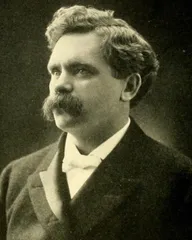
THE KINGDOM OF GOD. BY EDLER B. H. ROBERTS, OP THE FIRST SEVEN PRESIDENTS OF SEVENTIES.
Note ten, in lesson fourteen; of the Mutual Improvement As- sociation Manual, for 1900-1901, has occasioned no small amount of discussion and inquiry among the members of the associations. A request to explain this note came to the editors of the Era, and, in the March number, page 395, a brief and accurate explanation of the matter was given, but this, in some quarters, it appears, was not satisfactory; and still further explanation being asked for, the editors have referred the matter to the writer of this article. I think it very likely that note ten will be better understood if the conditions which called forth the remarks of the Prophet are known. It will be seen by reference to the note itself that the Prophet says, "Some say the Kingdom of God was not set up until the day of Pentecost, and that John did not preach the baptism of repentance for the remission of sins." The one man who more than any other taught that doctrine, was Alexander Campbell, founder of the sect of the Disciples or Christians, commonly called Campbellites. He held that the insti- tution known under the various titles of "Kingdom of God," "King- dom of Heaven," "The Church," "The Church of Christ," etc., was not established in the earth until the day of Pentecost. He denied that that institution existed among the ancient patriarchs, with Israel under Moses, or subsequently in the days of the prophets; and, in many of his discussions, combatted the idea of identity be- tween the church among the Jews and the Christian church set up
524 IMPROVEMENT ERA.
for the first time, according to his teachings, upon the day of Pen- tecost. He also taught that John's baptism was not Christian bap- tism, and always cited in proof of this the rebaptism of those disciples whom Paul found at Ephesus. (Acts 19: 1-5.) The influence of Alexander Campbell, throughout what was called in those days, the Western Reserve, was very great; and, of the Protestant sects, that of the Disciples was most flourishing. The Prophet Joseph, in the remarks under consideration, was un- doubtedly correcting these errors, and what he said had special reference to these false teachings of Alexander Campbell; hence, his words, "I say in the name of the Lord that the Kingdom of God was set up on the earth from the days of Adam to the present time." Then he proceeded to define what he here means by the Kingdom of God, and says:
Whenever there has been a righteous man on earth unto whom God revealed his word and gave power and authority to administer in his — name, and where there is a priest of God a minister who has power and authority from God to administer in the ordinances of the gospel and officiate in the Priesthood of God, there is the Kingdom of God; and, in consequence of rejecting the gospel of Jesus Christ and the prophets whom God hath sent, the judgments of God have rested upon people, cities, and nations, in various ages of the world, which was the case with the cities of Sodom and Gomorrah, which were destroyed for rejecting the prophets.
Again:
Now I will give my testimony. I care not for man. I speak boldly
and faithfully, and with authority. How is it with the Kingdom of God? Where did the Kingdom of God begin. Where there is no Kingdom of God there is no salvation. What constitutes the Kingdom of God? Where there is a prophet, a priest, or a righteous man unto whom God gives his oracles, there is the Kingdom of God; and where the oracles of God are not, there the Kingdom of God is not.
It will be seen from these remarks, in the discourse of the Prophet, that he was combating this Campbellite idea that the King- dom of God had not been upon the earth until the day of Pentecost, and the Prophet does not at all allude to events and conditions this side of the day of Pentecost, and, there-
THE KINGDOM OF GOD. 525
fore, his remarks on this occasion do not affect at all the position which The Church takes with reference to the world's entire apostasy from the gospel, and the destruction of the Church which Jesus of Nazareth, by his personal administration, established upon the earth; nor does it in any way affect the great and awful truth that man, previous to God's first revelation to Joseph Smith, was without the gospel and without Divine author- ity to preach it and administer its ordinances; nor does it affect the restoration of that Gospel by the ministration of angels. Man, in the early Christian centuries, from the faith; pro- did depart fessed Christians did transgress the laws, change the ordinances and break the everlasting covenant. They did teach for centuries the doctrines of men for the commandments of God; they did draw near to him with their lips while their hearts were far removed from him, and God did not acknowledge their false, man-made, cor- rupt systems of religion as his church or his kingdom. Neither the Church of Christ nor the Kingdom of God was upon the earth; and hence the restoration of the gospel by divine authority —the Priesthood of God —by the ministration of angels; and hence,also,the re-establishment on the earth of Christ's Church, holding within it the germs of God's great kingdom. Certainly, none of these great truths were affected by the teachings of the Prophet, in the dis- course under consideration, who was combatting the erroneous doc- trine that the Kingdom of God had not been established upon the earth until the day of Pentecost. He was altogether right, and in harmony with all the facts of revelation upon the subject, in say- ing, in effect, that not only was the Kingdom of God set up in the earth previous to the day of Pentecost, but that it had been set up even from the days of Adam, throughout the generations of man, from time to time until the coming of John the Baptist. Speaking briefly, and quoting the words of the late President John Taylor, we may say, "The Kingdom of God is the government of God, whether on earth or in heaven." It does not follow, under
this definition, that the Kingdom of God is fully established as an organization wherever the authority or government of God is; but wherever there is a man who holds authority from God, there, to an extent, is God's government; or, as the Prophet Joseph himself puts it, "Where there is a prophet, a priest, or a righteous man
526 IMPROVEMENT ERA.
unto whom God gives his oracles, there is the Kingdom of God;" and that there was a succession of such men, with perhaps brief intervals, from the days of Adam until the coming of John the Baptist, there can be no question; but it does not follow, because of these statements of the Prophet, which are clearly limited by the description of the Kingdom of God which he himself here gives — that there had been always, and in all places, a completely organ-
ized Kingdom of God, from the days of Adam until John; but there had been (with possibly occasional interruptions) a succession of righteous men who held some portion of the Priesthood, and hence, divine authority; and where there is such a righteous man, holding divine authority, there is the government of God; and where there is the government of God, there, too, under the limi- tation described above, is the Kingdom of God. That there was such divine authority, all through the patri- archal days, from Adam to Moses, is abundantly proven in the Old Testament scriptures, and still more fully in the Pearl of Great Price. Then again, there appears to have been quite a thorough organization of the Priesthood, both of the Melchizedek and the Aaronic order, under the administration of Moses; and the Lord, in these last days in speaking of these two Priesthoods and their con- tinuance from Moses unto John the Baptist, says:
And this greater Priesthood administereth the Gospel and holdeth the key of the mysteries of the kingdom even the key of the knowledge of God; Therefore, in the ordinances thereof, the power of godliness is
manifest; And without the ordinances thereof, and the authority of the Priest- hood, the power of godliness is not manifest unto men in the flesh; For without this no man can see the face of God, even the Father, and live. Now this Moses plainly taught to the children of Israel in the wilderness, and sought diligently to sanctify his people that they might behold the face of God; But they hardened their hearts and could not endure his presence, therefore the Lord in his wrath (for his anger was kindled against them) swore that they should not enter into his rest while in the wilderness, which rest is the fullness of his glory.
THE KINGDOM OF GOD. 527
Therefore he took Moses out of their midst, and the Holy Priest- hood also. And the lesser priesthood continued, which priesthood holdeth the key of the ministering of angels and the preparatory gospel; Which gospel is the gospel of repentance and of baptism, and the re- mission of sins, and the law of carnal commandments, which the Lord in his wrath, caused to continue with the house of Aaron among the chil- dren of Israel untilJohn, whom God raised up, being filled with the Holy Ghost from his mother's womb. (Doctrine and Covenants, Section 84: 19-27.)
This clearly establishes the doctrine of the Prophet Joseph, that from Adam to the day of Pentecost, the Kingdom of God, in the sense that there was divine authority in the earth during these ages, extended from the days of Adam to the day of Pentecost. It is the hope of the writer that this explanation will render note ten, of lesson fourteen, clear to the understanding of the stu- dents of the Manual, and also make it clear to the minds of our elders abroad, a number of whom have written asking questions with reference to this subject.